


Plumbing a Kitchen Island
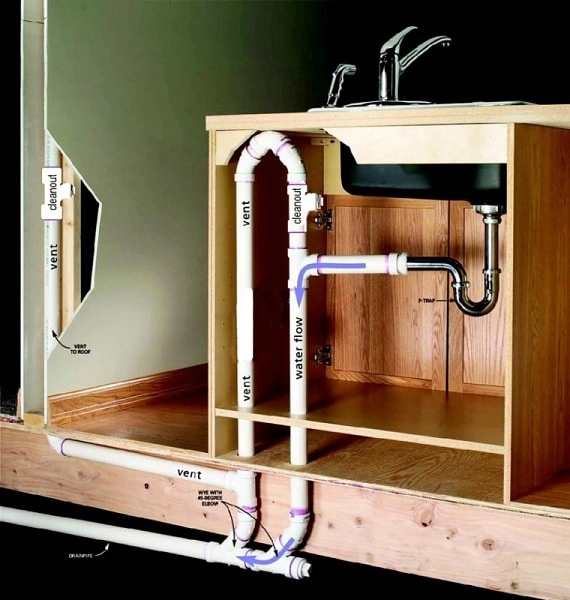
One of the great kitchen trends of the past decade is a large kitchen island — and a kitchen island with a sink takes it a step further, freeing up counter space elsewhere and giving everyone a natural spot to gather. If you're planning one, it's worth understanding the plumbing side before you finalize your layout, since an island sink is a genuinely different project from a standard sink against the wall — and it needs to be planned carefully. Unless you're an experienced DIY plumber, this is a project best left to the Sacramento plumbing pros.
The Challenge
The problem with plumbing a kitchen island sink starts with basic geography: the island doesn't sit against a wall. That means the plumbing has to run under the floor, even though the water, drain, and vent requirements are exactly the same as for a sink that abuts a wall. This is where things get tricky. If you're doing a full remodel and the floor is already open, the job is considerably easier than retrofitting one into an existing kitchen.
Kitchen Island With Sink and Dishwasher: What's Different?
Pairing a dishwasher with your island sink is common, but it adds another layer of complexity. A dishwasher next to an island sink needs its own supply line, drain connection, and typically an electrical circuit — all routed through the same under-floor path as the sink's plumbing. The dishwasher's drain line also needs proper backflow protection (usually a high loop or air gap) to keep dirty water from siphoning back in, just like a standard dishwasher install. Because you're already opening the floor to run the sink's drain and vent, it's worth planning the dishwasher connection at the same time rather than as an afterthought — retrofitting it later means opening the floor again.
Waterlines, Drains, and Vents
Running cold and hot waterlines to an island is fairly straightforward — the main consideration is making sure the lines are long enough and properly aligned to connect to the faucet. The real complexity is in the vent and drain system, which needs modification, and that's where problems tend to arise.
Traps in sinks hold a small amount of water to keep sewer gases from entering the room. A sink on the kitchen perimeter typically uses a simple P-trap that connects straight to the wall drain. With an island, that P-trap has to stick out horizontally and connect to another curved pipe leading back into the floor — which effectively creates an S-trap arrangement. S-traps are generally not code-compliant, since they're prone to siphoning their water seal dry. The fix is a loop vent and drain system instead.
How Loop Venting Works
A loop vent is designed to create proper venting while preventing water locks. Island sinks typically rely on this setup: a T-fitting attaches to the horizontal P-trap drain to direct water flow down toward the floor. The top of the T connects to an inverted U-shaped vent pipe, which runs up to the underside of the counter, loops back down, and continues through the floor. Both pipes ultimately connect to the primary drain — but the vent pipe also needs to tie into the home's main vent stack.
When an Air Admittance Valve Makes More Sense
Sometimes space constraints make a full loop vent impractical. In that case, an air admittance valve (AAV) can be installed instead. An AAV eliminates the need to physically connect the island's vent pipe to the home's main vent system, which can simplify the install considerably — though local code will determine whether one is allowed in your situation.
Frequently Asked Questions
Can you put a sink in a kitchen island?
Yes — it's a popular layout, but it requires special drain and vent work since the island isn't against a wall. A loop vent or air admittance valve is typically needed to keep the drain code-compliant.
Is it more expensive to plumb a kitchen island sink than a standard sink?
Generally, yes. Running water lines under the floor and installing a loop vent (or AAV) takes more labor and materials than a standard wall-mounted sink connection, especially if you're not already doing a full remodel with the floor open.
Do I need a vent for an island sink?
Yes. Without proper venting, the drain can develop water locks or fail to hold its trap seal, which allows sewer gas into the kitchen. Most island sinks use loop venting or an air admittance valve to solve this.
Can a dishwasher go next to an island sink?
Yes, and it's a common combination — but it needs its own supply, drain, and backflow protection routed through the same under-floor plumbing, so it's best planned alongside the sink rather than added later.
What is an air admittance valve, and do I need one for my island sink?
An AAV is a one-way valve that lets air into the drain system without a physical vent pipe connection to the main stack. It's often used when space or layout makes a traditional loop vent impractical — your plumber can confirm whether it's allowed under local code for your install.
When all is complete, plumbing a kitchen island sink is worth the trouble and expense — form and function at its finest. It's also one of several plumbing decisions worth getting right the first time; see our roundup of common plumbing problems in Sacramento homes for other issues worth planning around during a remodel. Call our experienced plumbing team today as you get ready for your kitchen remodel.