


What’s the Best Temperature for a Water Heater?
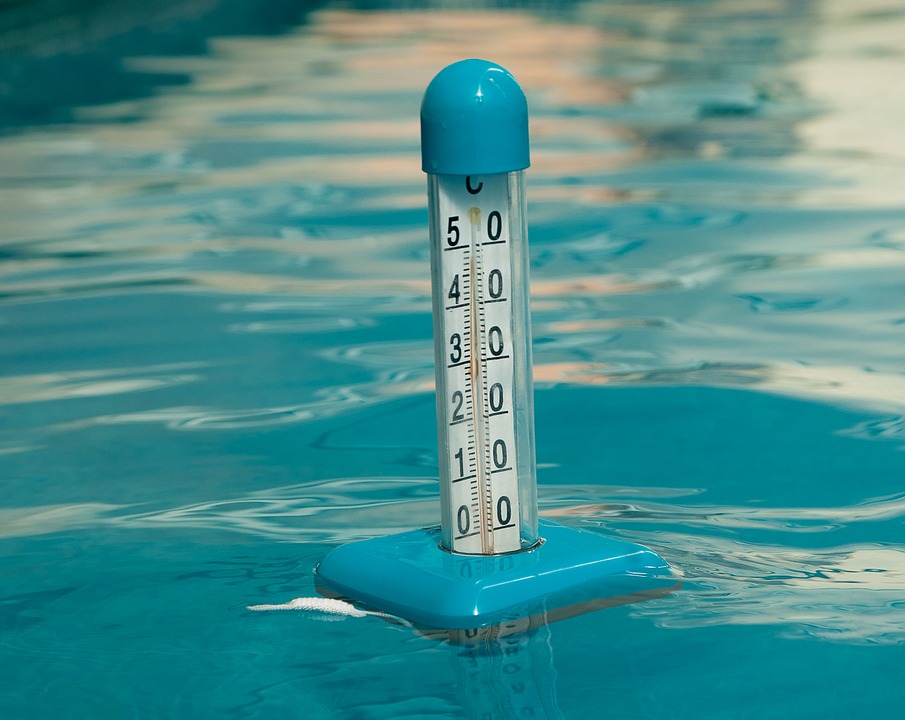
Many of us spend the winter months locked in a near-perpetual argument over the thermostat. One of us is invariably too cold, while the other insists it’s always too hot. You may have had a similar disagreement over hot water temperature, which raises the question: how hot should a hot water heater actually be set? As with most home comfort issues, Ace Plumbing has the answer.
Call Ace Plumbing for a Free Repair Estimate
What Happens If Your Water Heater Is the Wrong Temperature?
Before we get to the ideal number, it’s worth understanding what happens when your water heater is set incorrectly — and why it may be time to call for water heater repair if you’re struggling to maintain a consistent temperature.
What If Your Water Heater Is Too Cold?
Most of us don’t enjoy cold showers, but there’s a medical reason to avoid running your water heater too cold, beyond simple comfort. Just as humans thrive within certain temperature ranges, so does bacteria — and one in particular is worth knowing about. Legionella, the bacterium behind Legionnaires’ disease, thrives in water that’s warm but not hot enough to kill it off.
What If Your Water Heater Is Too Hot?
Avoiding cold water is one goal, but going too far the other way brings its own hazards:
- Scalding risk — especially for young children, older adults, and anyone with a nerve condition that makes it harder to sense water is too hot
- Higher energy bills — tank water heaters have to maintain a large volume of water within a set range, and even a tankless water heater uses more energy to reach a higher target temperature
- Shorter service life — higher heat accelerates rust buildup and hard water mineral deposits inside the tank
What Hot Water Temperature Is Just Right?
Water heaters usually ship set to 140°F by default — widely regarded as the temperature needed to kill off many harmful bacteria. But as covered above, higher temperatures also raise scalding risk and energy costs. For that reason, the Department of Energy and other agencies recommend setting your water heater to 120°F instead. Anywhere between these two extremes should be sufficient for most households.
Other Ways to Save Money on Hot Water
If your bigger concern is energy conservation and your utility bill, a few other steps can help:
- Get regular water heater maintenance so your unit runs efficiently and lasts as long as it should.
- Use your dishwasher instead of hand-washing where possible — modern dishwashers can raise water temperature above 140°F internally to sanitize dishes without relying on your water heater or compromising your safety.
- Remember your water heater won’t last forever. For units older than 12 years, it’s worth considering whether repair or replacement makes more sense.
- Install a low-flow showerhead. It’s a small investment that saves both water and energy, and helps larger households avoid running out of hot water.
- Use smart home monitoring, if you have it, to track energy use and spot opportunities to save.
- Don’t neglect water heater repairs or other plumbing issues — contact Ace Plumbing Heating and Air Conditioning for 24/7 emergency plumbing service.
Frequently Asked Questions
What temperature should my water heater be set to? Between 120°F and 140°F. The Department of Energy recommends 120°F to balance safety and energy savings, while 140°F is the factory default aimed at killing bacteria more aggressively.
Is 120 or 140 degrees better for a water heater? 120°F is generally safer (lower scald risk) and cheaper to maintain, while 140°F offers stronger bacteria protection but higher energy use and scalding risk. Most households do fine at 120°F; homes with someone immunocompromised may want to stay closer to 140°F.
Can a low water heater temperature cause Legionella? Yes — Legionella bacteria thrive in water that’s warm but not hot enough to kill it, which is why water heaters shouldn’t be set too low, especially below about 120°F.
How do I lower my water heater’s temperature? Most tank water heaters have a dial thermostat, often behind an access panel, that can be adjusted by hand. If you’re not comfortable doing this yourself, or your unit isn’t holding a consistent temperature after adjustment, that’s a sign to call for water heater repair.