


Furnace vs. Heat Pump: Which Is Better?
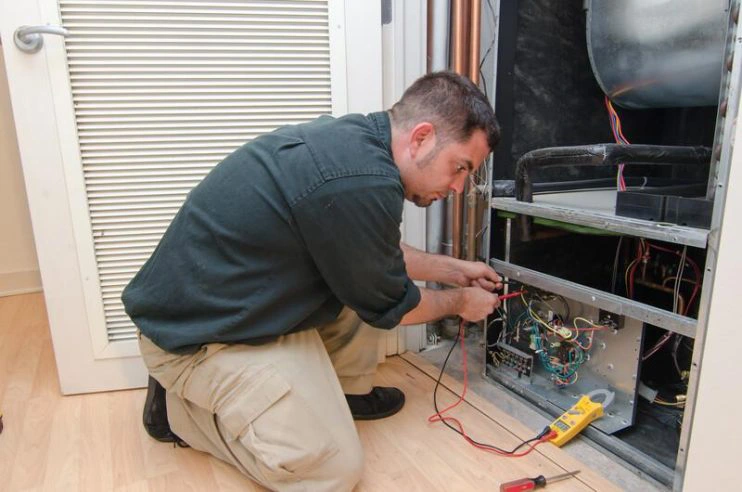
Whether you’re renovating, building a new home, or replacing an aging heating system, a new furnace isn’t your only option. Heat pumps have become a genuine alternative to the gas furnace, and since Ace Plumbing Heating and Air Conditioning installs both, we can walk you through the real tradeoffs rather than a generic sales pitch.
How a Furnace Works
A furnace warms air by burning fuel — usually natural gas, though propane and heating oil are still used in some locations — or through electric heating elements. Efficiency (how much of the fuel burned actually becomes usable heat) varies widely: older oil burners operate around 60%, while newer gas-fired furnaces push north of 90%, with some premium models reaching close to 98%.
Furnace Pros
- Efficiency in cold weather: Gas furnaces heat effectively no matter how low the temperature drops outside.
- Consistent, warmer-feeling heat: Many homeowners describe furnace heat as more “toasty” than heat pump output.
- Gas line availability: Sacramento-area gas infrastructure makes furnace installation quick and straightforward.
Furnace Cons
- Uneven heating: Ducted furnace heat can leave warm and cold spots throughout a home.
- Space requirements: Furnaces need real square footage in a basement, attic, or mechanical closet.
How a Heat Pump Works
A heat pump isn’t directly generating heat the way a furnace does — it works the same way an air conditioner does, just in reverse, and most units handle both jobs. In summer, it moves warm indoor air outside and pulls in cooler air. In winter, it reverses that: cooler indoor air is vented out, and warmer air from outside is pulled in (yes, there’s still usable heat in cold outdoor air — the physics of why is explained here). Because nothing is being burned, efficiency is dramatically higher: a heat pump can reach up to 300% efficiency, meaning it converts 3 BTUs of heat for every 1 BTU of energy it consumes.
Heat Pump Pros
- Very high efficiency: Especially in the 40s–50s°F range common in Sacramento winters.
- Smaller indoor footprint: Most of the equipment sits outside your home.
- No combustion risk: Runs on electricity, so there’s no combustion byproduct to manage.
Heat Pump Cons
- Efficiency drops in extreme cold: Below freezing, heat pumps work harder and lose some efficiency advantage — less of a factor in Sacramento than in colder climates.
- Higher upfront installation cost compared to a standard furnace.
- Heat feels milder: Some homeowners find heat pump output less intensely warm than furnace heat.
So Which Is Better?
There isn’t a one-size-fits-all answer, and for a lot of Sacramento homeowners the honest answer is “both.” A heat pump’s efficiency makes it the workhorse for most of the year, while a furnace serves as reliable backup during the rare cold snap that pushes temperatures low enough to blunt a heat pump’s advantage. If you currently have an electric furnace, a heat pump is often a straightforward, high-efficiency replacement; if you have a gas furnace, the decision involves more tradeoffs worth walking through with a technician.
If you’re also weighing this against a straight air conditioner vs. heat pump comparison for cooling-focused needs, that’s a related but slightly different question worth reading separately.
Sacramento, CA Heating Installation
Our team installs and services both furnaces and heat pumps, and we’re happy to assess your home’s specific setup — its size, existing ductwork, and condition — before recommending a direction. Contact us or call (916) 455-4548 to explore your heating options.