


Hot Water Heating Buying Guide in The Greater Sacramento Area
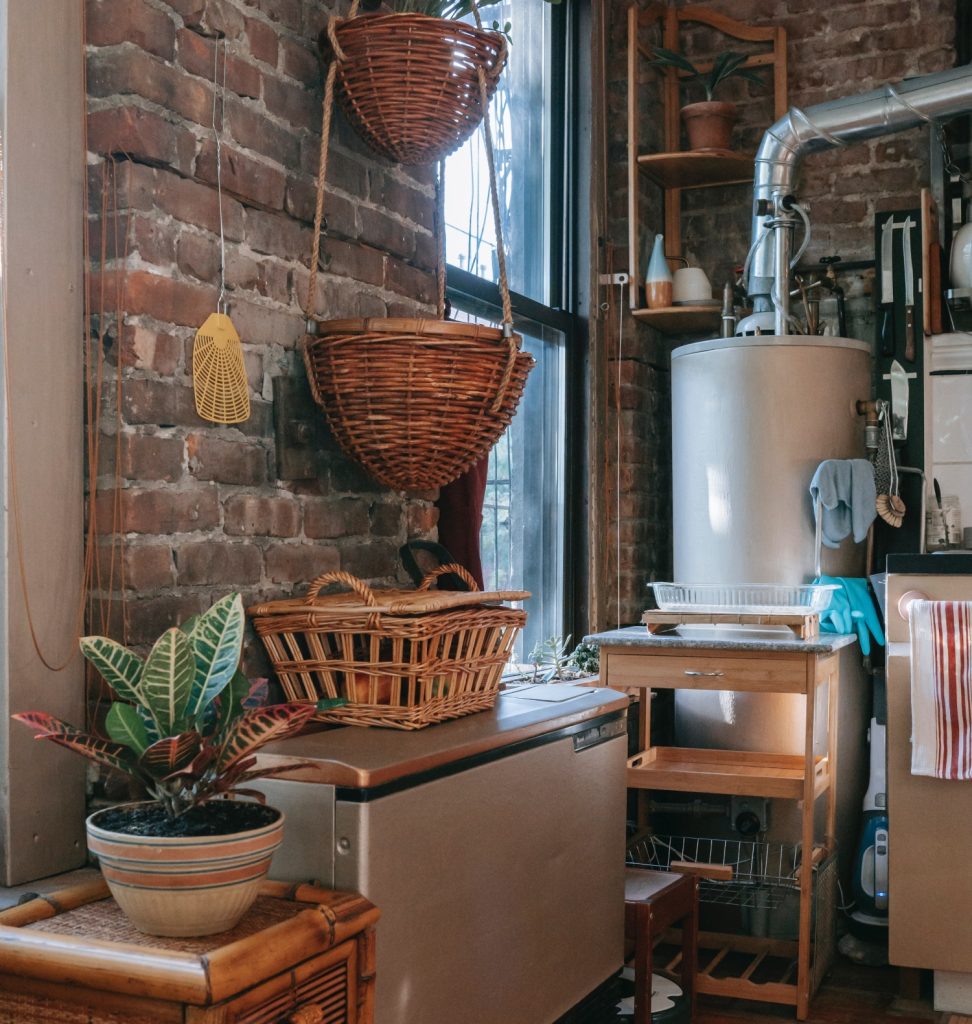
Nothing is more annoying than running out of hot water during a cold winter season. Water heaters play a significant role in any household — they’re what let you enjoy hot water for showering, washing clothes, and doing dishes. In fact, water heating typically accounts for somewhere around 18–20% of a home’s energy use, second only to heating and cooling.
Despite that expense, many homeowners tend to ignore their water heater until it breaks down, leaving them stuck with cold water. If you’ve been keeping up with efficient water heater maintenance and your unit still keeps breaking down, Ace Plumbing Heating and Air Conditioning recommends planning for a water heater replacement sooner rather than later. Buying a new unit can feel like a daunting decision, which is exactly why we put together this guide to help you know what to look for.
Is It Time to Replace Your Water Heater? Know the Warning Signs
[Image suggestion: water heater unit, e.g. via a licensed stock source]
Most standard tank water heaters last about 8 to 12 years with normal use, though a high-quality unit with excellent maintenance can sometimes reach 15 years or more — and high-efficiency tankless models often last 20 years or longer. That means you don’t need to rush into replacing your unit unless it’s leaking or failing to produce hot water more often than it used to. If your unit is less than 10 years old, we generally don’t recommend replacing it until we’ve inspected it and confirmed it can’t be repaired.
Here are the warning signs your water heater may need replacing:
- The unit is older than 10 years
- Rust on the heater tank or water inlet valve
- Strange noises when you turn on the hot water — see our guide on why your water heater keeps turning off if noise is paired with the unit shutting down
- Visible leaking
- The heater isn’t heating water at all
Still not sure whether you’re looking at a repair or a full replacement? Our breakdown on replacing vs. repairing your water heater walks through exactly that decision.
Factors to Consider When Choosing a Water Heater in the Greater Sacramento Area
Size
Assess your household’s hot water needs and determine the right tank size accordingly — don’t assume the size you had before is automatically the right fit going forward. You’ll likely be using this unit for a decade or more, so it’s worth asking whether your household is growing, shrinking, or staying the same size over that time. Check the First Hour Rating (FHR) on any tank you’re considering — it tells you how many gallons of hot water the unit can produce in an hour, which is the number that actually matters day to day.
Efficiency
[Image suggestion: water heater energy label / efficiency rating close-up]
Check the Energy Factor (EF) label to gauge a water heater’s efficiency — EF represents the percentage of energy converted into usable hot water, so a higher number generally means better efficiency and lower operating cost. That said, factor in the cost of the energy source itself, not just the EF number in isolation: a model with a high EF rating can still cost more to run than a lower-EF model, depending on local utility rates for that fuel type.
Type
You’ll also need to decide between electric, gas, or oil-fired options, since each affects the efficiency and operating cost you’ll actually see. Electric heaters tend to be quiet, lightweight, and efficient. Gas and oil-fired units generally heat water faster than electric models, though oil-fired units tend to be heavier due to the thicker combustion chamber lining. If you’re weighing tank versus tankless altogether, our tankless vs. traditional water heaters comparison covers that decision in more depth. It’s also worth checking current energy rebates and tax credits before you buy, since efficient units often qualify.
Maintenance
Ask about the specific maintenance a given unit requires, and plan to have it professionally inspected annually. A water heater that’s genuinely well maintained can last well beyond the typical range — most units that fail early do so from neglect, not age alone. Setting your unit to the right temperature and scheduling annual maintenance with Ace Plumbing Heating and Air Conditioning can improve efficiency, prevent costly repairs, and extend your water heater’s working life.
Frequently Asked Questions
How do I choose the right size water heater? Check the First Hour Rating (FHR) against your household’s peak hot water demand — showers, laundry, and dishwashing all running around the same time — rather than just matching your old unit’s tank size.
Is gas or electric better for a water heater? It depends on your priorities. Gas and oil-fired units typically heat water faster; electric units tend to be quieter and more efficient per unit of energy used, though actual operating cost depends on local utility rates for each fuel type.
How long do water heaters actually last? Standard tank units typically last 8–12 years, sometimes up to 15 with excellent maintenance. Tankless units often last 20 years or more.
Should I repair or replace an aging water heater? If your unit is under 10 years old and otherwise in good shape, repair is usually the better first step. Past that age, or with recurring issues, replacement often makes more financial sense — our replace vs. repair guide breaks down the decision in detail.
Get in Touch With Ace Plumbing Heating and Air Conditioning First
Not sure whether your water heater needs repair or replacement? Contact Ace Plumbing Heating and Air Conditioning in the greater Sacramento area and book an appointment with our team.