


How to Fix a Smelly Dishwasher
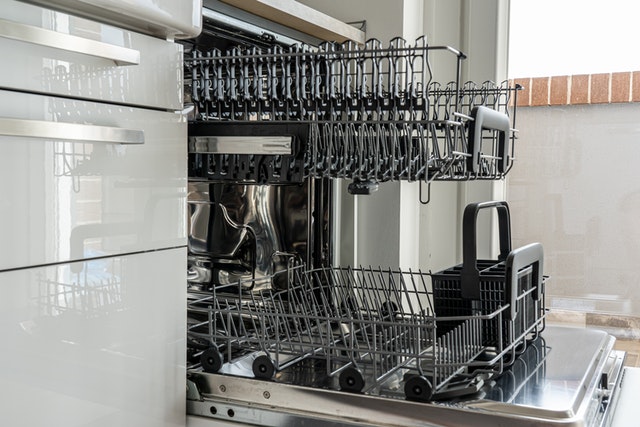
Let's face it — dishwashers make life much easier for most of us, but sometimes they start to smell, and you're left wondering what to do about it. You rely on your dishwasher to keep dishes clean and fresh, so when it starts smelling bad, it's genuinely frustrating.
It's obvious you can't just let it go — sometimes the smell is too strong to ignore. But don't worry: there are a few easy ways to get rid of that odor for good. This blog is your easy DIY guide to tackling unpleasant dishwasher smells and restoring its freshness and function.
Table of Contents
|
Why Does My Dishwasher Smell Bad? Let's Figure Out Your Problem
If you're wondering exactly this, you're in the right place.
Dishwasher smell comes from a few different sources, but the number one culprit is old food stuck inside it. Food particles get trapped in the filter at the bottom of the dishwasher, and as they decompose, the smell becomes unbearable. Other common causes include:
- Standing water at the bottom of the dishwasher, which creates a breeding ground for mold and mildew
- Clogged spray arms, which prevent proper cleaning and let residue build up
The simple first step is removing any old food particles stuck inside, then giving the unit a proper clean — which we'll walk through below.
What Not to Put in Your Dishwasher
A few things contribute directly to bad dishwasher smells because they don't clean or break down the way normal dishes do:
- Dishes with large chunks of food, unless rinsed off first
- Anything with paper labels, printed measuring cups, plates that have been glued back together, wood, aluminum cookware, brass, bronze, pewter, hand-painted ceramics, antiques, or china with metallic decoration
How to Fix a Smelly Dishwasher
Avoiding items that shouldn't go in the dishwasher is one part of the fix. Removing the food particles actually causing the smell is another. But dishwashers can keep smelling even after a one-time clean if they aren't maintained on a regular daily, weekly, and monthly routine.
Daily Steps — Remove visible food particles, especially near the bottom filter area where water drains. Food collects there constantly, so this is a daily habit, not a once-a-week task.
Weekly Steps — Wipe down the dishwasher's door, hinges, and handles with a sponge and appliance cleaner, removing any grime or food residue that's built up.
Monthly Steps — Give the dishwasher a thorough deep clean at least once a month. You can use a dedicated dishwasher cleaner run through an empty cycle, or go the DIY route: place a cup of white vinegar on the top rack and run a hot cycle, then sprinkle a cup of baking soda across the bottom and run a short wash to lift odors and stains. Don't skip the door seals, filter, and spray arms — they collect grime too.
Want your dishwasher sparkling? Call us now.
Here's Your Step-by-Step DIY Dishwasher Cleaning Guide for Deep Cleansing
For the best results, follow this full deep-cleaning process:
- Gather your materials: white vinegar, baking soda, dish soap, a sponge or cloth, a soft-bristled brush, and a dishwasher-safe bowl.
- Empty the dishwasher completely — remove all dishes, utensils, and racks if needed.
- Locate and remove the drain filter at the bottom of the dishwasher.
- Rinse and scrub the filter under hot water with dish soap and a soft brush, removing all debris before reinserting it.
- Clean the spray arms — detach them if possible, clear the holes with a toothpick or small brush, then rinse under warm water.
- Wipe down racks and gasket seals with a sponge soaked in hot, soapy water.
- Run a vinegar cycle — pour vinegar into the dishwasher to neutralize odors and break down buildup, then run a hot cycle.
- Follow with baking soda — sprinkle it across the bottom after the vinegar cycle and run a short hot wash.
- Leave the door slightly open afterward to let moisture escape and prevent mildew from forming again.
Frequently Asked Questions
Why does my dishwasher smell even after I clean it?
Usually it means the filter, spray arms, or door seals still have trapped food debris or grime that a quick wipe-down missed. A full deep clean (steps above) or a professional inspection can help pinpoint stubborn buildup.
Can a smelly dishwasher mean something's actually broken?
Sometimes. If the smell persists after a thorough cleaning, it could point to a clogged drain hose or a mechanical issue rather than simple food buildup — that's a sign to call for dishwasher repair.
How often should I deep clean my dishwasher?
Daily removal of visible food, a weekly wipe-down, and a full monthly deep clean (vinegar and baking soda, or a dedicated cleaner) is the routine that keeps most dishwashers odor-free.
Is it safe to use vinegar and baking soda together in a dishwasher?
Yes, but run them as separate cycles rather than mixing them directly — vinegar first to break down buildup and neutralize odor, then baking soda in a following cycle for extra scrubbing power on stains and residue.
Takeaway
If you follow these dishwasher odor removal tips, you should be able to prevent that horrible smell and keep your dishwasher fresh and clean going forward. That said, if it still smells bad after a proper deep clean, it might be time to call in the professionals — persistent odors can point to a clogged drain hose or an internal mechanical problem that cleaning alone won't fix.
Calling for Sacramento dishwasher repair is the best way to get back to clean dishes without the unpleasant smell, and to head off future clogging before it starts.
Do You Want to Get Rid of Your Smelly Dishwasher? Contact Ace Plumbing for the Best Solutions
Ace Plumbing is a family-owned business that has served Sacramento and nearby areas since 1972 — more than 50 years of experience. We understand the problem, and you can trust us for reliable Sacramento dishwasher repair services.
And if you're facing any other issues with your plumbing, heating system, drainage, or air quality, we're here to help with effective solutions too.
Our guaranteed services are just a call away, and we keep things affordable so budget isn't something you need to worry about.
Call us at (916) 455-4548 whenever you need us — we're available 24/7.