


How to Prepare Your Furnace for Winter
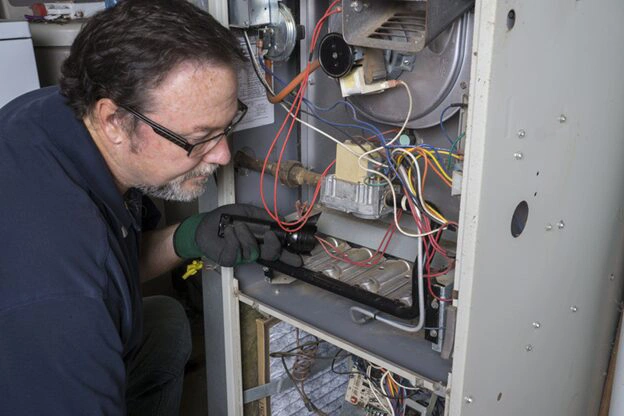
In Sacramento, the furnace can sit unused from April to November. That's seven months for dust to settle, filters to clog, and small problems to hide. The first cold night of the season is the worst time to find out something is wrong, because that's when every HVAC company in town gets the same call.
A little preparation in October or early November prevents most of those surprises. Here are nine checks to run before you turn the heat on, plus what to expect the first time it fires up.
9 Checks Before You Turn On the Heat
1. Replace the Air Filter
A Sacramento summer is hard on filters. The AC runs almost nonstop, and wildfire smoke, pollen, and dust pull through the system for months. Start the heating season with a fresh filter. A clogged one restricts airflow, makes the furnace work harder, and can cause it to overheat and shut off. Here's how often to change your air filter through the year.
2. Clear the Area Around the Furnace
Furnaces in garages and closets tend to collect storage over the summer. Keep at least three feet of clear space around the unit, and move anything flammable, like paint, gasoline, cleaning products, or cardboard, well away from it.
3. Open and Clean the Vents and Returns
Walk through the house and make sure every supply register is open and every return grille is unblocked by furniture or rugs. Vacuum the dust off them. If you see heavy dust or debris inside the ducts, air duct cleaning will improve both airflow and indoor air quality.
4. Test the Thermostat
Switch the thermostat from cool to heat and set it a few degrees above room temperature. The furnace should start within a few minutes and shut off when you turn it back down. Replace the batteries if it has them. If it's slow to respond or loses its settings, it may be time for the right thermostat for your home.
5. Check the Burners and Flame
On a gas furnace, look through the viewing window once it's running. The flame should be steady and mostly blue. A yellow, orange, or flickering flame can mean dirty burners or incomplete combustion, which can produce carbon monoxide. Turn the furnace off and call a technician. If you have an older furnace with a standing pilot that has gone out, here's how to relight the pilot light safely.
6. Inspect the Heat Exchanger and Flue
The heat exchanger keeps combustion gases separate from the air you breathe. A crack lets carbon monoxide into your home. You can't safely inspect it yourself, so this is one of the most important parts of a professional tune-up. Also check that the flue pipe on top of the furnace is connected and has no gaps, rust, or animal nests.
7. Test Smoke and Carbon Monoxide Detectors
Press the test button on every smoke and CO detector, and replace the batteries, including the backup batteries in hard-wired units. You should have a CO detector on every floor and near sleeping areas. Carbon monoxide is odorless, and the risk goes up every time a gas appliance runs.
8. Listen and Smell During the First Run
A faint burning-dust smell for the first 15 to 30 minutes of the season is normal. It's just dust burning off the heat exchanger. Contact a professional if you notice:
- A smell of gas or rotten eggs (leave the house and call the gas company)
- A burning plastic or electrical smell
- Banging, squealing, or grinding noises
- The furnace turning on and off every few minutes
9. Schedule a Professional Tune-Up
A homeowner can handle the first four checks. The rest take a trained technician: cleaning the burners and flame sensor, inspecting the heat exchanger, testing the igniter and safety controls, checking the blower motor, and measuring gas pressure. Our furnace tune-up covers all of it. For year-round upkeep between visits, see our DIY furnace maintenance tips.
Signs Your Furnace Needs Attention Before Winter
Don't wait for the first cold snap if you've noticed any of these:
- Rising gas bills without a change in how you use the heat
- Some rooms much colder than others
- A yellow or flickering burner flame
- Frequent cycling or the furnace not staying on
- A furnace over 15 years old that needed repairs last season
Most of these can be fixed with furnace repair. An older furnace with repeated problems may be ready for furnace replacement.
Getting the Rest of Your Home Ready
Your furnace is only one part of winter prep. If you have a heat pump, clear the outdoor unit and make sure it's never covered, since it runs all winter. Seal drafts, check attic insulation, and protect outdoor pipes. Our full HVAC winterization checklist covers every step.
Frequently Asked Questions
When should I prepare my furnace for winter in Sacramento? October through early November is ideal. It's cool enough to test the heat, and you're ahead of the rush that comes with the first cold night.
Is it normal for my furnace to smell when I first turn it on? Yes, a light burning-dust smell for the first 15 to 30 minutes is normal. A smell of gas, burning plastic, or one that doesn't fade is not. Turn the furnace off and call for service.
How often does a furnace need a tune-up? Once a year, ideally in the fall before heating season. Annual service is often required to keep the manufacturer's warranty valid.
What temperature should I set my furnace to in winter? About 68°F while you're home and awake is a good balance of comfort and cost. Lower it several degrees at night or when you're away, which a programmable thermostat can do for you.
Schedule Your Furnace Tune-Up
Ace Plumbing has kept Sacramento homes warm since 1972. Book your fall furnace tune-up early to skip the winter wait, and we'll make sure your system is safe and ready for the season. Call (916) 455-4548 or contact us to schedule. For heating emergencies, we're available 24/7.