


A Quick Guide to Space Heater Safety Tips for Winter Warmth
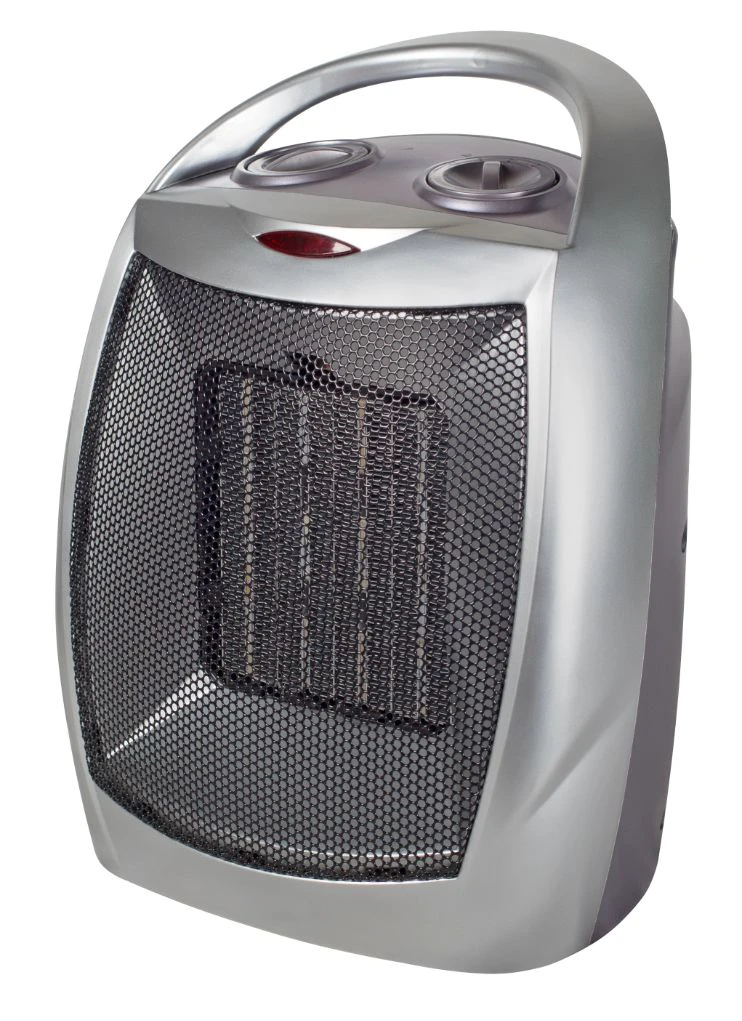
A space heater is a quick way to warm a cold room, but it's also one of the most common causes of home heating fires. From 2019 to 2023, U.S. fire departments responded to an average of 38,881 home heating fires a year, causing 432 deaths and $1.1 billion in damage, according to the National Fire Protection Association. Space heaters and heating stoves were involved in 29% of those fires.
If you use a space heater or are thinking about buying one, here's what Ace Plumbing Heating & Air Conditioning wants you to know.
Choosing the Right Space Heater
Start with the heater itself:
- Buy new. A used heater may have damaged wiring or a broken safety switch you can't see.
- Look for a UL, ETL or CSA certification mark. It means the heater was tested to a recognized safety standard.
- Choose one with a thermostat, tip-over shutoff and overheat protection. These turn the heater off if it's knocked over or gets too hot.
- Match it to the room. A heater that's too small runs nonstop; one that's too big cycles constantly.
- Choose electric for indoor use. We don't recommend fuel-burning heaters (kerosene, propane or gas) inside the home. See the carbon monoxide section below.
Space Heater Safety Tips
Staying safe takes a little attention and some common sense:
- Keep it on a hard, level surface. Not on rugs, beds or furniture.
- Mind the gap. Keep at least 3 feet of clearance on all sides from curtains, bedding, furniture, paper and clothing.
- Keep kids and pets away. The surface can burn, and a heater that's knocked over can start a fire.
- Plug it directly into a wall outlet. Never use an extension cord or power strip, and don't share the outlet with other high-draw appliances. If the plug or outlet feels hot, stop using it.
- Keep it dry. Don't use it in a bathroom or near water unless it's rated for damp locations.
- Turn it off when you leave or go to sleep. Even models with a thermostat or timer shouldn't run unattended.
- Test your smoke alarms. Important any time, and vital when a space heater is running.
Space Heaters and Carbon Monoxide
Carbon monoxide (CO) is an odorless, colorless gas produced when fuel burns. How much risk a space heater adds depends on what it runs on:
- Electric space heaters don't burn fuel and don't produce CO. Their main risk is fire.
- Kerosene, propane and gas space heaters do produce CO. Without proper venting or with poor combustion, CO can build up in a closed room. Never bring outdoor equipment such as camp heaters, patio heaters, grills or generators inside, even with a window open.
Know the symptoms. Early CO poisoning feels like the flu: headache, dizziness, weakness, nausea, vomiting, sleepiness and confusion (CPSC). If several people in the home feel this way at once, or symptoms ease when you leave the house, get everyone outside and call 911.
Install CO alarms. The CPSC recommends a CO alarm on every level of the home and outside sleeping areas. California law requires CO alarms in homes with a fuel-burning appliance, a fireplace or an attached garage. Test them monthly and replace the batteries each year.
Your furnace is the other big CO source in winter. A burning or unusual smell from the vents, a yellow flame, or soot around the furnace needs a technician. Our guide to safe practices for your furnace covers the basics.
Signs Your Space Heater Is Unsafe
Stop using it and replace it if you notice:
- A burning or melting-plastic smell
- A frayed, cracked or hot power cord
- Scorch marks on the heater, plug or outlet
- Sparking, buzzing or flickering lights when it runs
- A tip-over switch that no longer shuts it off
One Last Question: Why Do You Need a Space Heater?
It's worth asking why you're using one. Maybe you want one room warmer for a baby or an older family member, or one room is always colder than the rest. Maybe it's for a garage workshop. Or maybe the whole house doesn't feel as warm as it used to.
Those are all fair reasons, but a space heater often treats the symptom, not the cause:
- One room always cold: often leaky ducts, a closed or blocked vent, or poor insulation. A zoned system or a ductless mini-split can fix it for good.
- Whole house cooler than it used to be: the furnace may need service. Check your thermostat settings for winter first, then call for furnace repair.
- Heat pump can't keep up: if your system keeps switching to backup or emergency heat, that's a service issue, not a reason to add space heaters. [Placeholder: link "heat pump emergency heat" → #5 when published.] Our team handles heat pump repair in Sacramento.
Many of our customers put the space heater away once the real problem is fixed. For a whole-home checklist, see how to winterize your HVAC system.
Frequently Asked Questions
Is it safe to leave a space heater on overnight? No. Turn it off before you go to sleep, even if it has a thermostat, timer or tip-over switch.
Can an electric space heater cause carbon monoxide poisoning? No. Electric heaters don't burn fuel, so they don't make CO. Kerosene, propane and gas heaters do.
Can I plug a space heater into an extension cord or power strip? No. Plug it directly into a wall outlet that isn't shared with other high-draw appliances.
How far should a space heater be from furniture? At least 3 feet from anything that can burn, including furniture, curtains, bedding and paper.
Is it cheaper to run a space heater than the furnace? Only when you're heating one small room and keep the rest of the house cooler. Heating several rooms with space heaters usually costs more than running the central system.
Stay Warm the Safe Way
If you're relying on space heaters because your home won't stay warm, let us find out why. Call Ace Plumbing Heating & Air Conditioning at (916) 455-4548. We've kept Sacramento homes warm for 54 years.