


How to Remove Rust Stains From Your Sink or Tub (Without Chemical Cleaners)
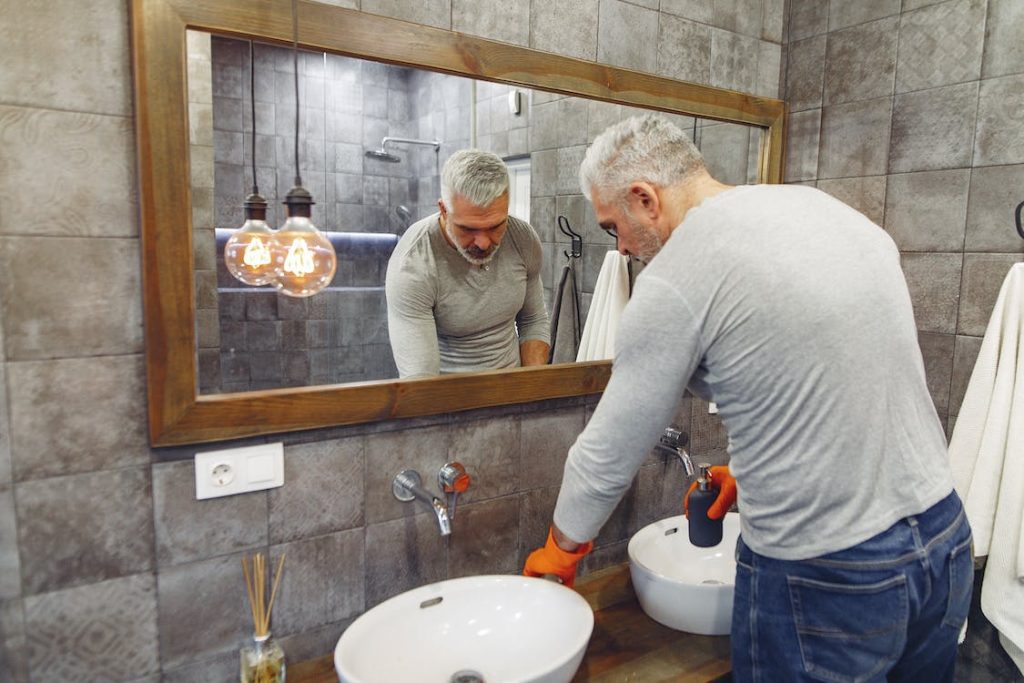
Rust stains are unsightly and, unfortunately, quite difficult to eliminate. When they show up on your bathroom sinks and showers, it’s crucial to act fast — left alone, they build up and become much harder to remove. Fortunately, there’s plenty you can do to remove rust stains and keep them from coming back. Pay special attention to rust-prone areas during your weekly cleaning, and avoid harsh chemicals that can damage the sink, tub, or shower material itself. At Ace Plumbing Heating and Air Conditioning, we always recommend having a plumber inspect faucet leaks and other sources of moisture that could be causing rust in your bathroom in the first place.
What Causes Rust Stains in the Sink or Shower?
Rust forms when iron and oxygen combine and react with moisture to create iron oxide. In most bathrooms, rust shows up when a metal can — think shaving cream or air freshener — sits on the sink, tub, or toilet and comes into contact with water. That’s why you should never leave metal cans sitting in your bathtub.
Hard water, common throughout Sacramento, makes the problem worse. The combination of iron bacteria and the minerals found in hard water causes rust particles to cling to the porcelain or enamel surfaces of bathroom fixtures. If your water supply is the root cause, rust stains will keep coming back no matter how often you clean — which is worth knowing before you assume it’s a one-time fix. If this sounds like your home, a water softener may be the more permanent solution.
How to Remove Rust Stains Without Chemical Cleaners
Here are a few natural, effective ways to get rust out of a sink, tub, or shower — no harsh chemical cleaners required.
Citric Acid
You can get citric acid from lemons, limes, grapefruits, or oranges — or buy powdered citric acid at the drug store or grocery store. If you’re using the powder, pour it directly onto the rust, or mix it with water and baking soda to form a paste. Apply the mixture to the stain, let it sit for 20 minutes, then rinse thoroughly.
Vinegar and Baking Soda
White vinegar is an excellent natural stain remover for rust in sinks and tubs. Mix baking soda and vinegar in a small container, then pour the mixture directly onto the stain. This combination also works well if you’re trying to remove rust from a tub drain, since it helps clean the drain at the same time you’re treating the surface stain — a two-for-one if you’re dealing with rust right at the drain opening. Just be sure to rinse thoroughly afterward, since leftover baking soda residue can affect drain components over time.
Cream of Tartar
Cream of tartar — the same ingredient used to stabilize whipped egg whites and as a leavening agent in baking — also works as a rust remover. Sprinkle it on the stained area and scrub gently with a bristled brush. For best results, mix it with a few drops of water to form a paste before applying.
Pumice Stone
A pumice stone is another natural, scratch-free option for removing rust from bathroom sinks, tubs, and showers. It works best on porcelain surfaces — wet the stone and gently scrub the stain away. If you’re working with a fiberglass tub or shower, skip the pumice stone, since it can scratch the surface.
Frequently Asked Questions
How do I get rust out of a sink? Citric acid (fresh or powdered) and a vinegar-and-baking-soda paste are both effective, chemical-free options. Apply, let sit for about 20 minutes, then rinse thoroughly.
How do I remove rust stains from a bathtub? The same methods work for tubs as sinks — citric acid, vinegar and baking soda, or cream of tartar all work well on porcelain. For fiberglass tubs, avoid pumice stones, which can scratch the surface; stick to the paste-based methods instead.
How do I remove rust from a tub drain specifically? A vinegar-and-baking-soda mixture poured directly into the drain works well, since it treats rust at the drain opening while also helping clean the drain itself. Rinse thoroughly afterward.
Why do rust stains keep coming back after I clean them? If stains return quickly, hard water is the likely cause — minerals in the water combine with iron bacteria to redeposit rust on fixtures over time. In that case, cleaning treats the symptom, and a water softener addresses the actual source.
Keep Rust Stains Away With Ace Plumbing Heating and Air Conditioning
Rust stains are an eyesore in an otherwise well-kept bathroom, and left unchecked, they can point to bigger plumbing problems — including a leaking faucet or persistent hard water. To deal with hard water in the greater Sacramento area and keep your plumbing system in top condition, contact Ace Plumbing today.