


10 Plumbing Things to Check Before Buying a Home in the Sacramento Area
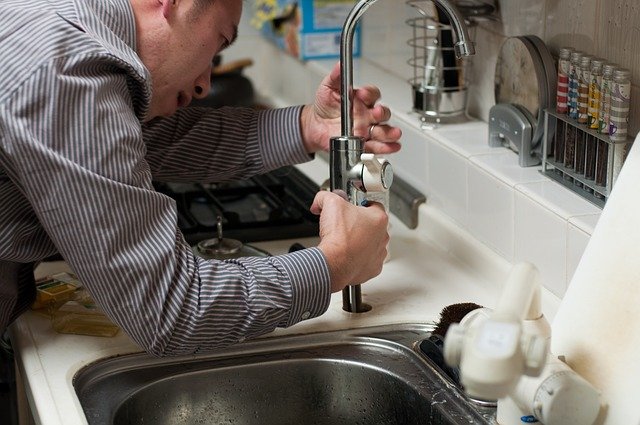
Buying a home is exciting, and it's easy to fall for the kitchen or the backyard and overlook what's behind the walls. Plumbing problems are among the most common and expensive surprises new homeowners face, because they rarely show up during a quick walk-through.
A standard home inspection covers the basics, but it usually doesn't include a look inside the sewer line or a close check of older pipe materials. Here are 10 plumbing things to check before you buy, what each one can tell you, and when to bring in a plumber.
Quick Checks You Can Do During a Showing
1. Run Every Faucet and Flush Every Toilet
Turn on each faucet, hot and cold, and let it run for a minute. Watch for weak pressure, sputtering, or discolored water, and notice any odd smell like sulfur. Flush each toilet and listen: does it refill quickly and quietly, or keep running? Check how fast the sinks and tubs drain. Slow drains in several places can point to a bigger problem further down the line. For more on toilet trouble, see our toilet services.
2. Look Under Sinks and Around Fixtures
Open the cabinets under the kitchen and bathroom sinks. Warped or stained cabinet floors, a musty smell, or active drips all mean water has been getting where it shouldn't. Look closely at the floor around toilets, dishwashers, and the washing machine too. Soft spots, buckling, or discoloration usually mean a long-term leak.
3. Look for Water Stains and Mold
Stains on ceilings or walls, bubbling paint, or mold in corners can all mean hidden leaks. A small pipe leak can be cheap to fix, but the water damage it causes to drywall, flooring, and framing often isn't. If you see signs like these, ask the seller about past repairs and check for leaks before closing.
4. Check the Water Meter
This is one of the easiest leak tests there is. Make sure every faucet and appliance is off, then look at the water meter. If the dial or leak indicator is still moving, water is escaping somewhere, possibly under the slab. Slab leaks are common in Sacramento-area homes built on concrete foundations.
Checks That Need a Closer Look
5. Find and Test the Main Shutoff Valve
Every homeowner should know where the main shutoff is, and it should actually work. Close it fully, then open a faucet to confirm the water stops. Old gate valves often seize or leak after years without use. Learn how to find and test the main shutoff.
6. Inspect the Water Heater
Find the age on the manufacturer's label. Most tank water heaters last about 8 to 12 years. Look for rust, corrosion, or water around the base, and listen for popping or rumbling, which means sediment buildup. Check that it has seismic straps and a discharge line on the temperature and pressure relief valve, both required in California. If it's near the end of its life, factor in the cost of replacing a water heater or a new water heater installation.
7. Identify the Pipe Material
Look at exposed pipes under sinks, in the garage, and at the water heater. What you find says a lot about the home's age and what might need replacing soon:
- Copper: long-lasting and reliable, common in homes from the 1960s on.
- PEX or CPVC: modern plastic piping, found in newer homes and repipes.
- Galvanized steel: common before the 1960s. It corrodes from the inside, reducing pressure and causing leaks.
- Polybutylene (gray plastic): used in the 1970s to 1990s and prone to sudden failure. Many insurers flag it.
If the home has galvanized or polybutylene pipe, get an estimate for replacing aging plumbing pipes before you make an offer.
8. Test the Water Pressure
Run the shower and a sink at the same time, and flush a toilet while they're running. A big drop in pressure can mean corroded pipes, a failing pressure regulator, or a hidden leak. Very high pressure is a problem too, since it wears out fixtures and appliances faster.
The Big-Ticket Items
9. Get a Sewer Line Camera Inspection
This is the most important check on the list, and the one most buyers skip. The main sewer line runs from the house to the city connection at the street, and the homeowner is usually responsible for it. Sacramento's mature trees are a major cause of root damage, and many older homes still have clay or Orangeburg sewer pipe that cracks and collapses with age.
A sewer camera inspection takes about an hour and shows the pipe's condition from the inside. It's especially worth doing for homes built before 1980 or with large trees in the yard. Know the warning signs of a sewer line problem so you can spot them during the showing.
10. Confirm Sewer vs. Septic
Most homes in the Sacramento area are connected to a municipal sewer system. Some rural and semi-rural properties, especially on larger lots at the edges of the county, use a septic system instead. If the home is on septic, ask for the pumping and inspection records and have the tank inspected before closing. Here's how often a septic tank needs pumping.
Red Flags Worth Renegotiating Over
If the inspection turns up any of these, get a plumber's estimate and use it in negotiations:
- Root intrusion, cracks, or a collapsed section in the sewer line
- Polybutylene or heavily corroded galvanized supply pipes
- Evidence of a slab leak
- A water heater near or past the end of its life
- Signs of long-term water damage or mold
Frequently Asked Questions
Does a standard home inspection include the sewer line? Usually not. Most general inspectors check the visible plumbing and run water through the fixtures, but a sewer camera inspection is a separate service. Ask for one specifically.
Should I hire a plumber in addition to a home inspector? For older homes, homes with large trees, or any home where the inspector flagged plumbing issues, yes. A plumber can give you a repair estimate you can take to the seller.
Who pays for plumbing repairs found during the inspection? It's negotiable. Buyers often ask the seller to make the repair, offer a credit at closing, or lower the price.
What plumbing problems are most common in older Sacramento homes? Root-damaged sewer lines, galvanized pipes, slab leaks, and aging water heaters top the list. See more common plumbing problems in Sacramento homes.
Schedule a Pre-Purchase Plumbing Inspection
Ace Plumbing has inspected and repaired plumbing in Sacramento-area homes since 1972. Before you close, let us check the plumbing system, camera-inspect the sewer line, and give you a clear, honest report. Call (916) 455-4548 or contact us to schedule. Buying a home with older heating and cooling too? See what to check for HVAC in a new home.