


Sustainable Bathroom Fixture Market Trends for 2026
Bathroom remodels used to be about looks first, water bill second. That’s flipped. Between California’s rate structures, tightening CalGreen requirements, and homeowners just wanting lower bills, “sustainable” isn’t a niche request anymore — it’s the first thing most of our Sacramento-area customers ask about. Here’s what’s actually worth your money in 2026, and what’s marketing noise.
Toilets: Dual-Flush Is the Baseline, Not the Upgrade
A decade ago dual-flush toilets were the premium option. Now a WaterSense-certified toilet using 1.28 gallons per flush or less is basically the entry point — anything using the old 1.6-gallon standard is quietly falling out of stock at most suppliers. If your toilet still pre-dates 2010, you’re likely using two to three times the water per flush that a new model does, and the payback period on replacement is usually under two years just from the water bill difference.
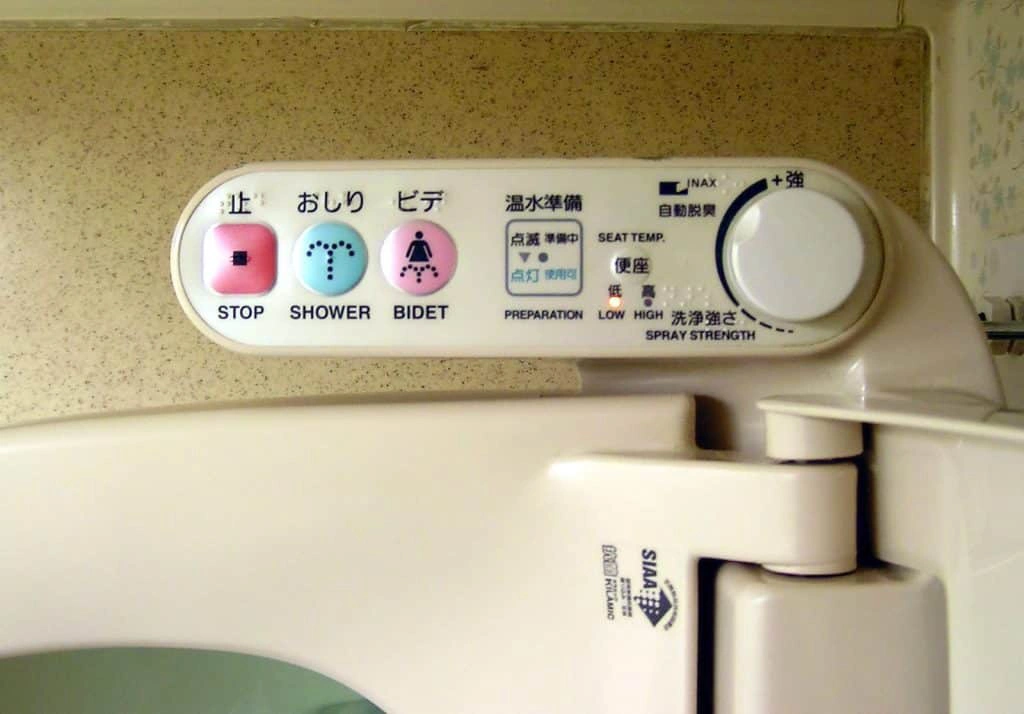
We’re also seeing more requests for bidet attachments and bidet seats, partly for water and paper savings and partly for comfort. If you’re weighing options, see our breakdown of what dual-flush toilets actually save you, and if your current toilet is older, our guide on knowing when it’s time to replace a toilet walks through the signs.
Showers and Faucets: Flow Restriction Without Feeling Restricted
The complaint we used to hear constantly — “low-flow means weak water pressure” — is mostly solved now. Newer WaterSense showerheads use air-injection and pressure-compensating valves to keep the spray feeling full at 1.5 to 2.0 gallons per minute, compared to the old 2.5 GPM standard. Thermostatic mixing valves have also gotten cheaper, which matters for sustainability in a way people don’t expect: they cut down on the water wasted while you wait for the shower to hit temperature.
Smart shower controls are still around, but the trend has shifted from novelty to utility — homeowners want flow monitoring and leak alerts more than voice control. If you’re planning a fixture upgrade, it’s worth reviewing your full bathroom fixture options rather than swapping pieces one at a time.
Materials: Recycled Content Is Standard, Low-VOC Is Non-Negotiable
Recycled glass and composite stone countertops have moved from specialty showrooms into mainstream suppliers. More relevant for indoor air quality: low- and zero-VOC sealants, grouts, and finishes are now standard practice for most contractors, not an upcharge. If anyone in your household has respiratory sensitivities, it’s worth confirming this directly with your contractor — and pairing it with a broader look at your home’s indoor air quality, since bathrooms are one of the biggest sources of trapped moisture and off-gassing.
Water Heating: The Fixture Nobody Thinks of as a “Fixture”
Your water heater does more to determine your bathroom’s actual sustainability than any faucet or tile choice. Heat pump and tankless water heater systems are where most of the real efficiency gains in a remodel come from — a tankless unit alone can cut standby energy loss to near zero compared to a traditional tank. If your water heater is already showing its age, timing that replacement with a bathroom remodel is usually more cost-effective than doing the two separately.
Greywater and Leak Detection: The Quiet Trend
Greywater reuse systems — routing shower and sink water toward irrigation — are still more common in new construction than retrofits, since the plumbing has to be designed for it from the start. But smart leak detection has gotten far more affordable, and it prevents the kind of water waste (and damage) that no amount of low-flow fixtures can offset. This matters even more if you’ve dealt with a slab leak before, since those often go unnoticed the longest. For more on cutting water waste day to day, see our eco-friendly plumbing tips.
What’s Actually Worth Doing
Skip anything sold purely as “smart” without a clear efficiency number attached — that’s usually a markup, not a sustainability upgrade. Prioritize in this order: fix real leaks and aging water heaters first, replace pre-2010 toilets and showerheads second, and treat materials and smart controls as the finishing touches. If you want a second opinion on what your bathroom actually needs versus what a showroom is pushing, that’s exactly the kind of walkthrough we do. Call Ace Plumbing at (916) 455-4548 or contact us here and we’ll tell you straight what’s worth the money.