


How to Unfreeze Frozen Pipes Safely: A Step-by-Step Guide
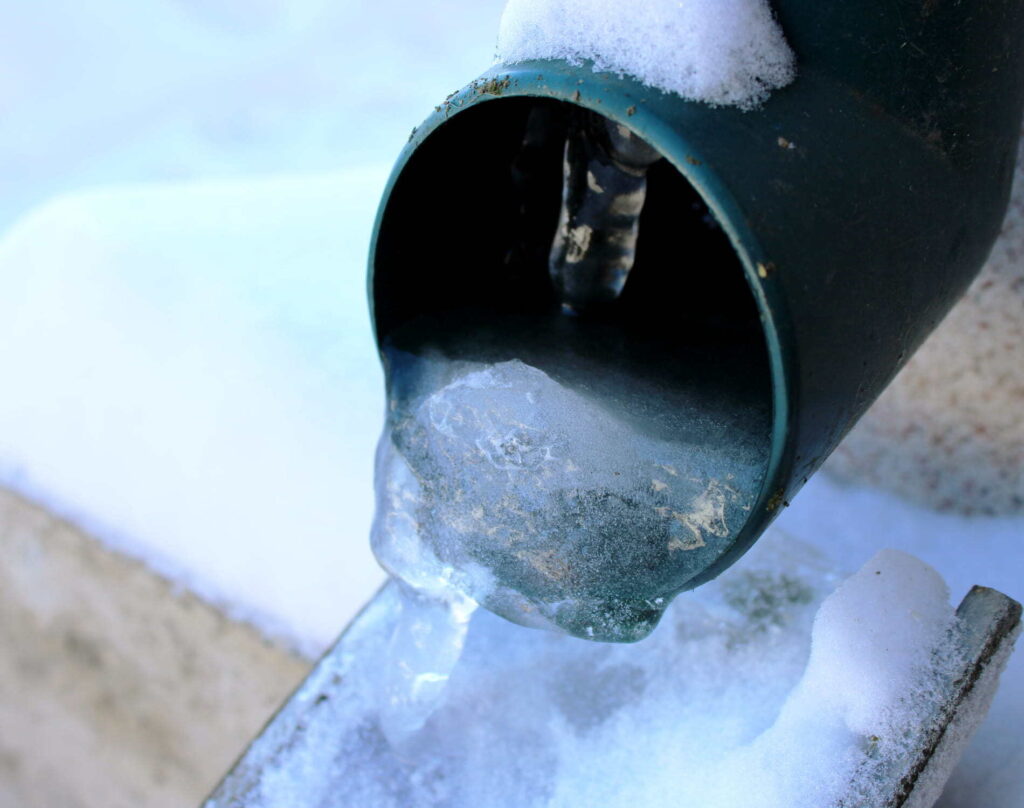
You turn on the faucet on a cold morning, but little or no water comes out. Maybe you hear a strange hiss inside the wall, which can be an early sign of a frozen pipe. When faced with this, your first thought may be, “How do I unfreeze pipes without causing damage?”
That is the right question to ask.
A frozen pipe can stop water from flowing through your home. It can also crack or burst as pressure builds inside. You may not notice the damage until the ice melts and water begins leaking from the pipe.
But you may be able to thaw a frozen pipe yourself if you can reach it and the pipe has not burst. You just need to move slowly and use safe, gentle heat. In this blog, we’ll tell you exactly what you can do.
What to Do First When You Have a Frozen Pipe
Before trying to thaw anything, look around the area for signs of damage. You need to check for -
- Water stains on walls or ceilings
- Puddles under sinks
- Damp drywall
- Bulging or cracked pipes
- Dripping sounds behind a wall
- A sudden drop in water pressure
- A visible split in the pipe
Do you see active leaking or a cracked pipe? Turn off your home's main water supply immediately. Then call a licensed plumber. Cracks and splits like these are often a sign of a water or slab leak, which needs prompt professional attention.
Do not start thawing a damaged pipe when the water is on. After the ice melts, water could pour through the crack and flood your home. It is also important to find your main shutoff valve before you start, even if you do not see damage. That way, you can turn off the water quickly if a leak appears.
How to Unfreeze Frozen Pipes?
Here’s what you need to do -
Step 1 - Find the Frozen Section
A weak stream or no water from one faucet usually means the frozen area is somewhere along the pipe serving that fixture. You should start with the most vulnerable areas of your home, like -
- Under kitchen and bathroom sinks
- Basements
- Crawl spaces
- Garages
- Attics
- Exterior walls
- Utility rooms
- Areas near outdoor faucets
Pipes in unheated areas or near poorly insulated exterior walls often freeze first. Carefully feel along any exposed pipes to find the frozen spot. It may feel much colder than the rest of the pipe, or you may see frost, moisture, or a small bulge. What if the pipe disappears behind a wall? You might need professional help. Cutting into a wall without knowing the exact pipe location can create more damage.
Step 2 - Open the Faucet
When you find the affected pipe, open the faucet connected to it. Turn on both the hot and cold water if you are not sure which line is frozen.
Why do this?
- An open faucet gives melting water and steam a way to escape.
- It also allows you to see when water starts flowing again.
Do not worry if nothing comes out at first. Leave the faucet open when you’re working.
Step 3 - Apply Gentle Heat
If you are wondering, “How do I unfreeze frozen pipes safely?” this is the most important step. Start warming the pipe at the faucet end. Then slowly work your way toward the frozen blockage. This helps melted water move toward the open faucet instead of becoming trapped behind more ice.
You can safely use -
- A hair dryer
- An electric heating pad
- Towels soaked in warm water
- A portable space heater placed at a safe distance
- A heating cable made for water pipes
Keep the heat moving. Do not hold a hair dryer against one small spot for a long time. When using warm towels, wrap them around the pipe and replace them as they cool. This method is slower, but it works well when electrical tools would be unsafe.
You can also open nearby cabinet doors. This allows warm indoor air to reach plumbing under sinks and along exterior walls.
|
Never Use an Open Flame You may feel tempted to use a propane torch, lighter, candle, or other flame because it heats the pipe quickly. But don’t do it. Open flames can damage pipes, nearby insulation, drywall, cabinets, and wiring. They can also create dangerous conditions inside enclosed spaces. You should use controlled heat sources like a hair dryer, heating pad, warm towels, or an electric space heater. You should also avoid pouring boiling water directly over a frozen pipe. A sudden temperature change can stress certain pipe materials. Warm, gradual heat is safer. |
Step 4 - Watch for Water Flow and Leaks
You should continue heating until the faucet returns to normal flow. This can take several minutes or longer, depending on -
- The length of the frozen section
- The pipe material
- The room temperature
- How much ice is inside
- Whether the pipe is insulated
You should stay near the pipe when it thaws. You should never turn on a heating device and leave the room. As water starts moving again, you need to check the entire visible pipe for drips, cracks, or spraying water. Ice can sometimes hide a damaged area. So, you might not notice the leak until the blockage melts.
If you see a leak -
- Turn off the main water supply.
- Switch off the heat source.
- Place a bucket or towels under the leak.
- Call a plumber.
You should not assume the pipe is fine because water is flowing again. Acting quickly here matters — minimizing water damage after a leak often comes down to how fast you shut off the source.
Step 5 - Check Other Faucets
If one pipe freezes, another pipe may be frozen too. You should go through your home and turn on each faucet. Be sure to check -
- Kitchen sinks
- Bathroom sinks
- Showers and tubs
- Laundry connections
- Utility sinks
- Outdoor faucets
Look inside cabinets and around exposed plumbing for moisture. You should also inspect rooms below the frozen pipe. Water from a small crack may travel through walls or floors before becoming visible.
| Get Frozen Pipe Help - Call (916) 455-4548 |
When Should You Call a Plumber?
You do not need to handle every frozen pipe on your own. You need to call a professional when -
- You cannot locate the frozen section
- The pipe is behind a wall or ceiling
- You see cracks, bulges, or leaking water
- More than one part of the home has no water
- The main water line may be frozen
- You cannot safely reach the pipe
- The pipe will not thaw
- The pipe freezes repeatedly — this can be a sign your aging plumbing needs replacing
- You are unsure which heat source is safe
A plumber in Sacramento can locate hidden frozen areas, check for damage, and help prevent the same problem from returning. If you're anywhere in our service area, our team can be there quickly.
How to Keep Your Pipes From Freezing Again
After your water is running, you can take a few simple steps to protect the plumbing during the next cold spell. For a deeper dive, see our full guide on preventing frozen pipes and our tips on preparing your home's plumbing for cold weather.
Insulate exposed pipes
Add pipe insulation to pipes in basements, crawl spaces, garages, attics, and exterior walls.
Let Faucets Drip During Extreme Cold
A small trickle of cold water can help reduce the chance of freezing in vulnerable pipes. During very cold weather, letting cold water drip slightly from faucets connected to exposed pipes can help reduce the risk of freezing.
Open Cabinet Doors
Open the kitchen and bathroom cabinet doors so that warm air can circulate around the pipes. Move household cleaners out of the reach of children and pets before leaving cabinets open.
Keep Your Heat On
If you leave home during winter, do not turn the heating system off completely. This matters even more if you're headed somewhere warm — see our tips on how to protect your pipes while on vacation. You should consider how your home and plumbing are built before lowering the indoor temperature during freezing weather, and make sure your heating system is in good working order before the cold sets in.
Disconnect Outdoor Hoses
Disconnect garden hoses before temperatures drop below freezing. If possible, drain the outdoor water lines and shut off the water supply to exterior faucets.
Seal Cold-Air Leaks
Cold air entering through cracks around windows, doors, vents, and utility openings can freeze nearby plumbing. Seal those gaps and add insulation where needed.
Answering Your Questions About Frozen Pipes
How long does it take to unfreeze frozen pipes?
It can take anywhere from 30 minutes to several hours. The time usually depends on where the pipe is located, how much ice is inside, and which heating method you use.
An exposed pipe under a sink can thaw quickly. A pipe inside a wall can take much longer. Keep the faucet open and use steady, gentle heat. Do not rush the process with a torch or boiling water.
Will frozen pipes always burst?
No. A frozen pipe does not always burst, but the pressure caused by freezing can cause pipes to crack. You may not notice the damage until the ice starts to melt and water flows again. Watch the pipe closely during this time. If you see dripping or spraying water, notice damp walls, or experience a drop in water pressure, shut off the main water supply and call a plumber. For more on this, see preventing burst pipes and flooding.
Should I turn off the water when my pipes are frozen?
You may not need to turn off the water if the pipe is only frozen and shows no signs of damage. Still, locate the main shutoff valve before you begin thawing. Turn off the water immediately if you see a crack, bulge, leak, or water stain. This can help limit flooding when the ice melts.
Can I leave a faucet dripping to prevent frozen pipes?
Yes. Letting a vulnerable faucet drip slightly during extremely cold weather can help keep the pipe from freezing. A small, steady drip keeps water moving through the pipe and can also help relieve pressure. You can further protect your plumbing by insulating exposed pipes, opening cabinets under sinks, and keeping your home warm.
| Get Free Estimate - Call (916) 455-4548 |
Takeaway
If you want to unfreeze pipes without damaging your home, you should start by checking for leaks. Open the affected faucet. Then apply gentle heat from the faucet end toward the frozen area. You should never use an open flame or leave a heating device unattended. Most importantly, keep watching the pipe as the ice melts.
A frozen pipe may already have a small crack that only becomes noticeable after water starts moving. But when the problem involves hidden plumbing, a burst pipe, or repeated freezing, call a professional plumber.
Get Your Water Flowing Again With Ace Plumbing, Heating & Air Conditioning
Still asking, “How do I unfreeze pipes without damaging my home?” Ace Plumbing, Heating & Air Conditioning is ready to help. Serving Sacramento since 1972, our A+ rated, BBB-accredited company provides expert plumbing services, honest service, affordable pricing, quality workmanship, and fast, reliable responses.
Our experts can locate the frozen area, check for hidden cracks, thaw the line safely, and recommend ways to protect your pipes during the next cold spell. We can help you protect your home and plumbing from costly damage.
Call Ace Plumbing, Heating & Air Conditioning at (916) 455-4548, or contact us online to schedule a visit. Check our current coupons for ways to save on the repair.