


Smart Irrigation & Sustainable Sprinkler System Trends for 2026
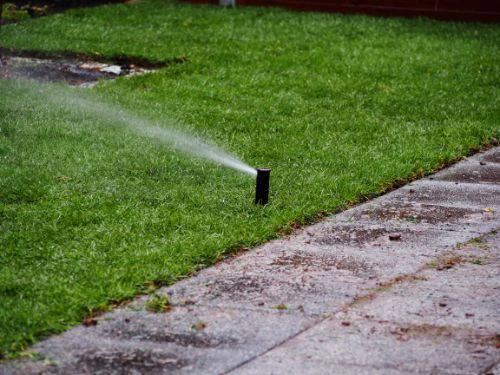
Sprinkler systems used to be judged on coverage and convenience. In 2026, the real question homeowners ask is how little water they can use while keeping a yard alive through a Sacramento summer. Between rising water rates and local turf-rebate programs, “efficient irrigation” has gone from a nice-to-have to the default expectation. Here’s what’s actually changed since the old “smart sprinkler” trends of the 2010s, and what’s worth investing in now.
Drought-Adapted Landscaping Has Replaced “Native Plants” as a Niche Idea
Choosing regionally native plants used to be a trend for the environmentally minded. Now it’s close to standard practice for anyone doing a landscaping refresh, largely because water agencies across the Sacramento region have expanded turf-replacement rebates that make it financially easier to swap thirsty lawn for drought-adapted planting. If you’re redesigning beds or zones, pair the plant selection with your irrigation plan from the start — our guide on using California native plants to reduce watering covers which species actually cut water use versus which ones just look low-maintenance.
Weather-Based Scheduling Has Replaced Simple Rain Sensors
Older systems could pause a cycle if it had rained. Current controllers do more: they pull local evapotranspiration (ET) data — essentially how fast the sun and wind are pulling moisture out of your soil — and adjust run times zone by zone, not just system-wide. Combined with inexpensive soil moisture sensors, this means a controller can tell the difference between a shaded fescue patch and a sun-baked strip along your driveway, and water each accordingly instead of treating your whole yard the same. If you’re not sure how much your specific landscaping actually needs, our breakdown of how much water your lawn actually needs is a good starting point before you reprogram anything.
App Control Is Standard Now — Leak Detection Is the Actual Upgrade
Controlling zones from your phone stopped being a selling point years ago; it’s expected on nearly every mid-range controller sold today. The feature worth paying attention to now is automatic flow monitoring that flags a broken head or a blown line before it runs unnoticed for a week and shows up as a water bill spike. That kind of detection has gotten meaningfully cheaper and easier to retrofit onto an existing system. If you’re planning updates to your setup, it’s worth reviewing your full sprinkler and irrigation options rather than bolting one smart part onto an otherwise outdated system.
What’s Actually Worth Doing
Start with the controller, not the landscaping — a smart, zone-aware controller is the single upgrade that pays for itself fastest. From there, prioritize soil moisture sensors in your highest-water zones, and only then move to plant selection or full landscape redesign. If your system is older and you’re not sure whether it’s worth upgrading in place or replacing outright, our guide on repairing vs. replacing a sprinkler system walks through the signs. Once you’ve decided to replace, our notes on the best time of year to schedule the install and what to check before you dig will help you avoid an expensive mistake.
For expert guidance on any of this — from a single zone repair to a full irrigation redesign — contact Ace Plumbing or call us at (916) 455-4548.