


Forced Air or Hot Water Heat: Which is Better?
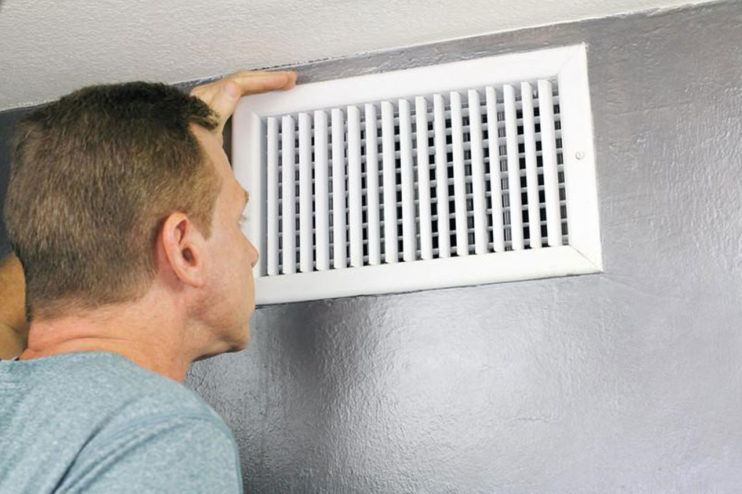
The US Energy Information Administration estimates that an average of 42% of home energy use goes toward heating. Thanks to a milder climate, that number isn't as high in California as it would be in Seattle or Vancouver — but it's still high enough that it's worth asking whether your heating system is pulling its weight on efficiency. If you're shopping for a new home heating system, are you better off with forced air or hot water heat? The answer isn't clear-cut, but Ace Plumbing can help you make sense of it.
What Is Forced Air Heating?
Forced air heating is a system that heats air and pushes it through your home using a fan and a network of ducts. It's the most common heating setup in Sacramento homes, largely because the same ductwork can carry both your heating and central air conditioning — which keeps installation costs down.
A quick clarification, since it trips people up: forced air isn't the same thing as central air. "Central air" technically refers to central air conditioning, while "forced air" describes how a system — heating or cooling — moves conditioned air through your home via ducts. A furnace that produces forced air heat and a central AC unit are two different pieces of equipment that just happen to share the same ductwork.
Unless you're a plumber serving Sacramento, you might also use "furnace" and "boiler" interchangeably — but they're not the same. A furnace heats air. A boiler heats water. That distinction is really the whole comparison in this post.
Forced air heat does have downsides. It tends to be drier, it can circulate allergens if you're not diligent about cleaning filters and ducts, and while it warms a space quickly, it doesn't always warm it evenly. Rooms can also cool nearly as fast as they warmed — especially if they're poorly insulated or drafty.
What Is Hot Water Heating?
Hot water heating — also called radiant heat or hot water baseboard heating — uses a boiler to heat water, which is then pumped through radiators or baseboards instead of blown through ducts. Because that heated water keeps radiating warmth even after the boiler cycles off, rooms tend to stay warmer longer, which makes hot water heat generally more consistent and energy efficient than forced air.
A boiler is also quieter and easier on air quality, since it doesn't rely on ducts and filters that can circulate dust or dry out the air — a real plus for anyone sensitive to air quality issues.
Hot water heat has trade-offs too. Boilers tend to cost more upfront, and installation complexity adds to that. Hot water heat also doesn't warm a room as quickly as forced air, and a poorly maintained boiler can leak and cause water damage.
Forced Air vs. Hot Water Heat: Key Differences
| Forced Air (Furnace) | Hot Water Heat (Boiler) | |
| Heats | Air, circulated through ducts | Water, circulated through radiators/baseboards |
| Warm-up speed | Fast | Slower, but holds heat longer |
| Consistency | Can leave uneven hot/cold spots | More even, steady warmth |
| Air quality | Can dry air, circulate allergens/dust | Doesn't dry air or rely on filters |
| Noise | Fan and duct noise | Generally quieter |
| Upfront cost | Lower, especially if ducts already exist | Higher, more complex install |
| Shared with AC? | Yes — same ducts can carry central air | No — separate system needed for cooling |
What About Heat Pumps and Baseboard Systems?
A few related comparisons worth a quick mention, since they come up alongside this decision:
- Forced air vs. heat pump: These aren't mutually exclusive — a heat pump is a type of heating and cooling equipment, and many heat pumps distribute air the same way a furnace does, through ducts (forced air). The comparison usually being asked about is heat pump vs. traditional furnace, not heat pump vs. forced air itself.
- Baseboard heat vs. forced air: Electric baseboard heaters work a bit like hot water baseboards but use electric resistance instead of circulated hot water. They share hot water heat's even warmth and quiet operation, but usually cost more to run long-term than a gas furnace.
- Radiant floor heat vs. forced air: Radiant floor systems work on the same principle as hot water baseboard heat — steady, even warmth without moving air — just distributed under the floor instead of through baseboards.
Which Is Right for Your Home?
There's no single right answer, since most homeowners are balancing several factors at once. If your home already has central air, it's usually more cost-effective to use that same ductwork for a forced air heating system than to install a new boiler and baseboard setup from scratch. On the other hand, if you're upgrading as part of a remodel, or if someone in your home deals with allergies or asthma, hot water heat can meaningfully improve air quality and comfort.
For help sorting through your options — HVAC maintenance, energy rebates for efficient HVAC units, boiler and furnace repairs, and more — call Ace Plumbing today so you're squared away before the cold weather sets in.
Frequently Asked Questions
What is forced air heating?
Forced air heating warms air and pushes it through your home using a fan and ductwork. It's the most common heating setup, especially in homes that also have central air conditioning sharing the same ducts.
What is hot water heating?
Hot water heating uses a boiler to heat water, which then circulates through radiators or baseboards to warm your home — often called radiant heat or hot water baseboard heat.
Is forced air the same as central air?
No. Central air refers to central air conditioning. Forced air describes the delivery method — air pushed through ducts — that both a furnace and a central AC system can use. They're related but distinct pieces of equipment.
What's the difference between a furnace and a water heater?
A furnace heats air for your home's heating system. A water heater heats water for household use — showers, dishwashing, laundry. A boiler, which heats water for a hot water heating system, is a different unit from your everyday water heater.
Which is more cost-effective, forced air or hot water heat?
It depends on your starting point. If you already have ductwork, forced air is typically cheaper to install and maintain. If you're starting fresh or prioritizing air quality and even heat, hot water heat can be more cost-effective long-term despite the higher upfront cost.
Is a heat pump the same as forced air? Not exactly. A heat pump is a type of heating/cooling equipment, and many heat pumps use forced air (ductwork) to distribute that heat — so a heat pump can be a forced air system, but "forced air" itself just describes how the air is moved, not what's generating the heat.
Need help deciding, or ready to install, repair, or replace your system? Contact Ace Plumbing or call today.